
Nursakti Pratomoatmojo just published his first paper. He developed a new Urban Patch Expansion (UPE) framework that characterises five different ways in which cities expand. In addition to the commonly defined types of expansion (infill, edge expansion and outlying development)
World urbanization prospects
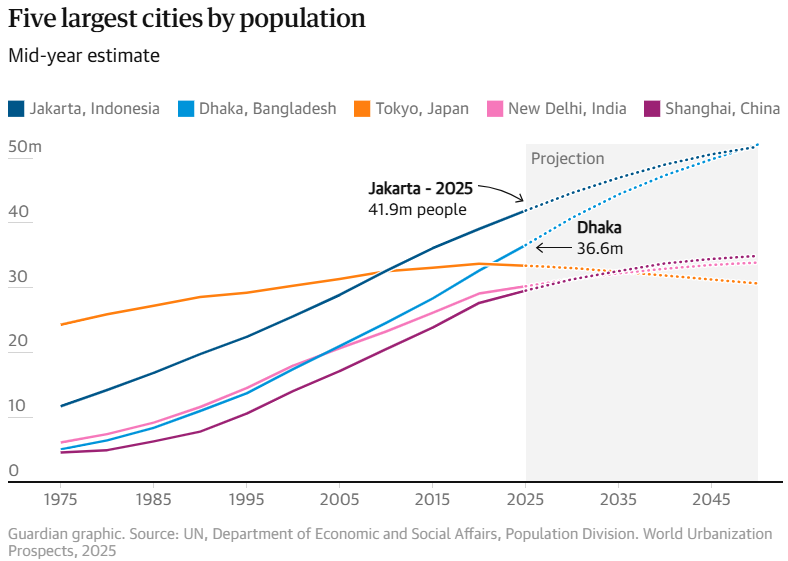
Urbanization is reshaping the global landscape of human life. Since 1950, the share of the world’s population living in urban areas has surged, and it is projected to continue rising through 2050. The United Nations has documented this transformation in
ENHANCE meeting and prize winners
ENHANCE project partner UCL-CASA organised the 19th International Conference on Computational Urban Planning & Urban Management (CUPUM-2025). A great opportunity to also organise the ENHANCE mid-term meeting in London. So, plenty of interesting presentations and opportunities to interact with our
Vulnerable areas prone to urban development
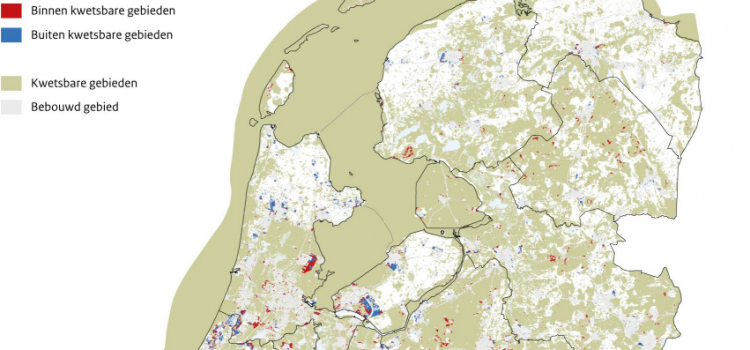
Around 40% of future urban development in the Netherlands is likely to take place within vulnerable areas. The development of new houses, industrial estates and holiday homes until 2050 may affect large areas with natural, landscape or cultural values. The
Future land use mapped to assess upcoming water challenges
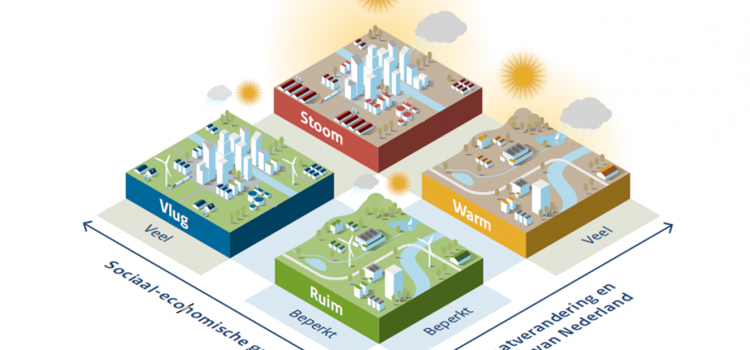
Water and spatial policy need to be better coordinated to prepare for upcoming climatic and societal changes. We are proud to have provided the land-use scenarios for this important policy advice presented by Deltares to the Minister of Infrastructure and
Understanding the barriers for 15-minute cities
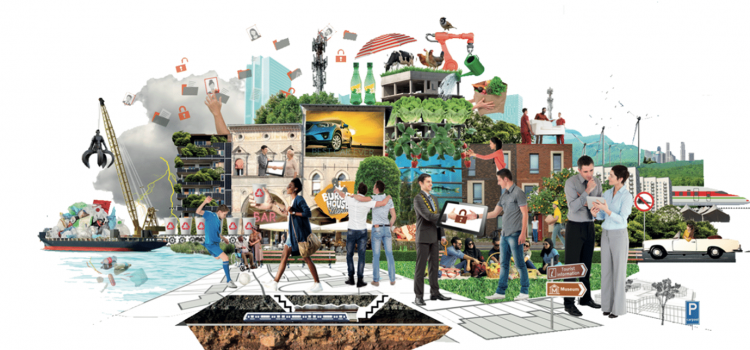
The new ENHANCE project aims to improve urban travel sustainability and equity by understanding current barriers for the application of 15-minute city (15mC) principles in outer metropolitan areas and small cities. Based on this understanding the project will propose strategies
Twinning for climate-resilient urban solutions
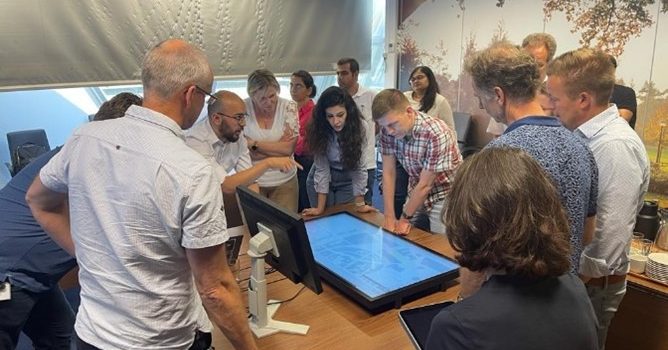
University of Twente and Vrije Universiteit cooperated in a project to explore the potential of digital twins for developing sustainable, climate-resilient urban development strategies. Digital twins offer a realistic representation of the built environment based on a variety of spatial
Europe’s population density patterns mapped in Nature Communications
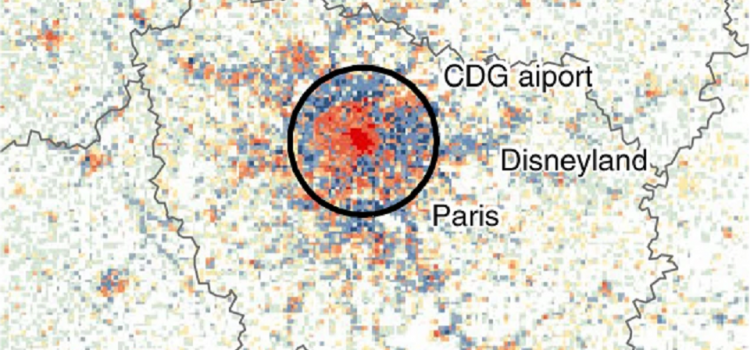
Filipe Batista e Silva is a PhD candidate at SPINlab working for the European Union’s Joint Research Centre. Over the past years he worked on uncovering temporal changes in Europe’s population density patterns using a data fusion approach. He combines
Theory and Application of Dynamic Spatial Time Series Models
Today Bo Andrée defended his PhD dissertation in an online session that had a live stream on YouTube. The somewhat impersonal, digital setting did not inhibit a lively discussion. Bo’s thesis sets out to develop theory and methods to analyze
Relation between air pollution and confirmed COVID-19 cases researched
SPINlab doctoral candidate Bo Andree recently led a study on the relationship between air pollution and COVID-19 incidences in the Netherlands for The World Bank. With the spread of the virus several hotspots emerged around the globe, a number of which coincided